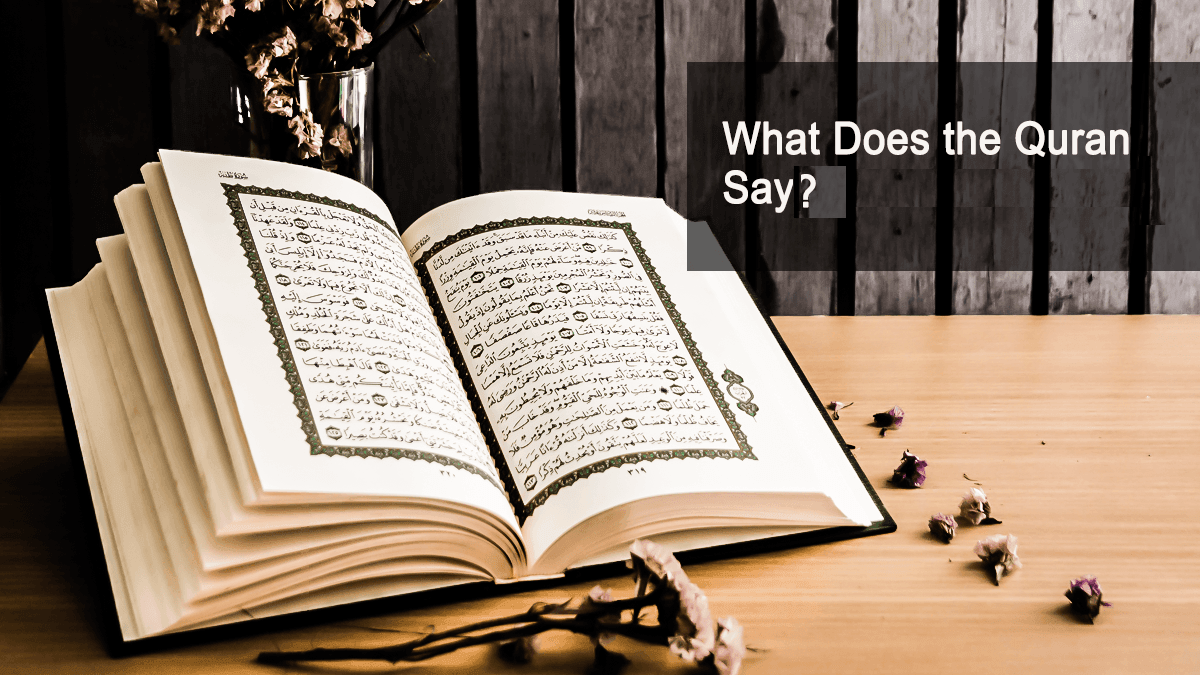
The Holy Quran, the central religious text of Islam, offers many actionable insights that can be applied to daily life.
Seek knowledge: The Quran emphasizes the importance of seeking knowledge and understanding the world around us. In many verses, Allah encourages us to think deeply, reflect on the natural world, and ponder the mysteries of the universe.
Practice patience: Patience is a virtue highly regarded in Islam. The Quran teaches us to be patient in all aspects of our lives, from facing adversity to dealing with difficult people. By cultivating patience, we can develop greater inner strength and resilience.
Show compassion and kindness: Compassion and kindness are fundamental values in Islam. The Quran instructs us to be merciful and forgiving to all people, and to show kindness and respect to those in need.
Prioritize prayer: Prayer is a key practice in Islam and an important means of connecting with Allah. The Quran encourages us to pray regularly and seek Allah’s guidance in all aspects of our lives.
Give to those in need: The Quran teaches us to be generous and give to those in need. Zakat, the practice of giving alms to the poor and needy, is one of the Five Pillars of Islam and an important means of purifying our wealth and promoting social justice.
Seek forgiveness: Forgiveness is a central theme in Islam, and the Quran teaches us to seek Allah’s forgiveness and forgive others. By practicing forgiveness, we can cultivate greater inner peace and harmony in our relationships with others.
Act with justice: The Quran emphasizes the importance of justice and fair dealing in all aspects of life. We are called to act with justice and uphold the rights of all people, regardless of their status or background.
Be grateful: Gratitude is a recurring theme in the Quran, and we are encouraged to be grateful to Allah for all the blessings in our lives. By expressing gratitude, we can cultivate a positive outlook and a sense of contentment.
Control our desires: The Quran teaches us to control our desires and avoid indulging in harmful or destructive behaviors. Self-control is an important means of purifying our souls and achieving greater spiritual growth.
Practice moderation: The Quran emphasizes the importance of balance and moderation in all aspects of life. We are encouraged to avoid extremes and pursue a balanced, middle path in our behavior and attitudes.
Stand up for justice: The Quran teaches us to stand up for justice, even in the face of adversity. We are called to speak out against oppression and to promote social justice and equality for all people.
Be humble: Humility is a key virtue in Islam, and the Quran teaches us to be humble and avoid arrogance. By cultivating humility, we can develop greater empathy and compassion for others.
Trust in Allah: The Quran encourages us to place our trust in Allah and have faith in His plans for us. By trusting in Allah, we can develop greater inner peace and resilience in the face of life’s challenges.
Be mindful of our words: The Quran teaches us to be mindful of our words and to speak truthfully and kindly. We are encouraged to avoid gossip, slander, and hurtful speech, and to use our words to build bridges and foster understanding.
Embrace diversity: The Quran celebrates the diversity of human beings and encourages us to embrace and appreciate the differences between us. We are called to reject prejudice and bigotry and to treat all people with dignity and respect.
Serve others: Serving others is a central value in Islam, and the Quran teaches us to be of service to those around us. We are encouraged to give our time and resources to help others, and to work towards the betterment of society as a whole.
Seek knowledge from trustworthy sources: The Quran encourages us to seek knowledge from trustworthy sources and to use our intellects to understand the world around us. We are called to be curious, questioning, and open-minded, and to seek knowledge that will benefit us and those around us.
Be mindful of our actions: The Quran teaches us to be mindful of our actions and to avoid behaviors that are harmful or destructive. We are called to be responsible and accountable for our actions, and to strive towards excellence in all that we do.
Practice self-reflection: The Quran encourages us to reflect on our lives and to assess our behavior and attitudes. We are called to be introspective and to strive towards greater self-awareness and self-improvement.
Foster community: Community is an important value in Islam, and the Quran teaches us to foster relationships with those around us. We are called to build bridges between people of different backgrounds and to work towards creating a more harmonious and just society.
Show compassion: The Quran emphasizes the importance of showing compassion to those around us, particularly to those who are suffering or in need. We are called to be empathetic and to offer our support and care to others.
Be patient: Patience is a recurring theme in the Quran, and we are encouraged to be patient in the face of difficulties and challenges. By cultivating patience, we can develop greater inner strength and resilience.
Forgive others: Forgiveness is a key value in Islam, and the Quran teaches us to forgive others who have wronged us. By letting go of resentment and anger, we can experience greater peace and inner harmony.
Seek guidance from Allah: The Quran encourages us to seek guidance from Allah in all aspects of our lives. By turning to Allah in prayer and supplication, we can find guidance and support in our daily lives.
Seek inner peace: The Quran teaches us to seek inner peace and tranquility, particularly through prayer and meditation. By cultivating inner peace, we can experience greater spiritual growth and fulfillment in our lives.
Strive for excellence: The Quran encourages us to strive for excellence in all aspects of our lives, whether it be in our work, our relationships, or our spiritual growth. By pursuing excellence, we can achieve greater self-actualization and fulfillment.
Be generous: The Quran teaches us to be generous and to give to those in need. By practicing generosity, we can cultivate a sense of abundance and gratitude in our lives, and contribute to the betterment of society as a whole.
Be just and fair: Justice and fairness are central values in Islam, and the Quran emphasizes the importance of treating others justly and fairly. We are called to be impartial and to avoid discrimination or bias in our interactions with others.
Practice humility: Humility is a key virtue in Islam, and the Quran teaches us to be humble in our attitudes and behavior. By practicing humility, we can develop greater empathy and compassion towards others, and avoid arrogance or pride.
Be grateful: The Quran emphasizes the importance of gratitude, and we are called to be grateful for the blessings in our lives. By cultivating a sense of gratitude, we can develop greater contentment and satisfaction in our lives.
Honor our commitments: The Quran teaches us to honor our commitments and to be trustworthy in our dealings with others. We are called to be reliable and dependable, and to fulfill our promises and obligations.
Strive for balance: The Quran encourages us to seek balance and moderation in all aspects of our lives. We are called to avoid extremes and to find a sense of balance in our work, relationships, and spiritual growth.
Be kind to animals: The Quran teaches us to be kind and compassionate towards animals, and to treat them with respect and care. We are called to avoid cruelty and to take responsibility for the welfare of the animals around us.
Be environmentally conscious: The Quran emphasizes the importance of taking care of the environment, and we are called to be responsible stewards of the earth. We are encouraged to avoid waste and pollution, and to work towards a sustainable future.
Seek knowledge: The Quran encourages us to seek knowledge and to engage in lifelong learning. By seeking knowledge, we can develop greater understanding of ourselves, others, and the world around us.
Be proactive: The Quran teaches us to be proactive and to take initiative in our lives. We are called to take responsibility for our actions and to work towards our goals with determination and perseverance.
Seek forgiveness: The Quran emphasizes the importance of seeking forgiveness for our mistakes and shortcomings. We are called to acknowledge our faults and to seek forgiveness from Allah and from those we have wronged.
Be mindful of our words: The Quran teaches us to be mindful of our words and to speak with kindness and compassion. We are called to avoid gossip, slander, and hurtful speech, and to use our words to build up and uplift others.
Embrace diversity: The Quran celebrates the diversity of humanity and teaches us to respect and honor the differences among us. We are called to be inclusive and to seek understanding and connection with those who are different from us.
Practice self-reflection: The Quran encourages us to engage in self-reflection and to examine our thoughts, beliefs, and behavior. By practicing self-reflection, we can develop greater self-awareness and growth in our personal and spiritual lives.
The Holy Quran provides a wealth of actionable insights that can guide us towards a more fulfilling and meaningful life. Among these insights are:
Trust in Allah: We are called to put our trust in Allah and to seek His guidance and support in all aspects of our lives.
Practice compassion: We are called to practice compassion towards ourselves and others, and to show kindness and empathy in our interactions with others.
Foster gratitude: The Quran emphasizes the importance of being grateful for the blessings in our lives, and by doing so, we can cultivate a greater sense of contentment and satisfaction.
Practice humility: Humility is a key virtue in Islam, and the Quran teaches us to be humble in our attitudes and behavior.
Seek balance: The Quran encourages us to seek balance and moderation in all aspects of our lives, avoiding extremes and finding a sense of equilibrium in our work, relationships, and spiritual growth.
Practice forgiveness: The Quran emphasizes the importance of seeking forgiveness for our mistakes and shortcomings, and by doing so, we can cultivate greater humility and empathy.
Practice self-reflection: The Quran encourages us to engage in self-reflection and to examine our thoughts, beliefs, and behavior, thereby developing greater self-awareness and growth in our personal and spiritual lives.
Seek knowledge: We are encouraged to seek knowledge and engage in lifelong learning, thereby developing greater understanding of ourselves, others, and the world around us.
Practice justice and fairness: We are called to be impartial and to avoid discrimination or bias in our interactions with others, thereby fostering greater harmony and understanding.
Honor our commitments: We are called to honor our commitments and to be trustworthy in our dealings with others, thereby fostering greater reliability and dependability.
Be mindful of our words: We are called to be mindful of our words and to speak with kindness and compassion, avoiding gossip, slander, and hurtful speech.
Embrace diversity: The Quran celebrates the diversity of humanity and teaches us to respect and honor the differences among us, thereby fostering greater inclusivity and understanding.
Be proactive: We are called to take responsibility for our actions and to work towards our goals with determination and perseverance, thereby cultivating greater initiative and drive.
By incorporating these insights into our daily lives, we can cultivate greater inner peace, purpose, and fulfillment, while also contributing to a more just, compassionate, and harmonious world.
 A Journey To True Self